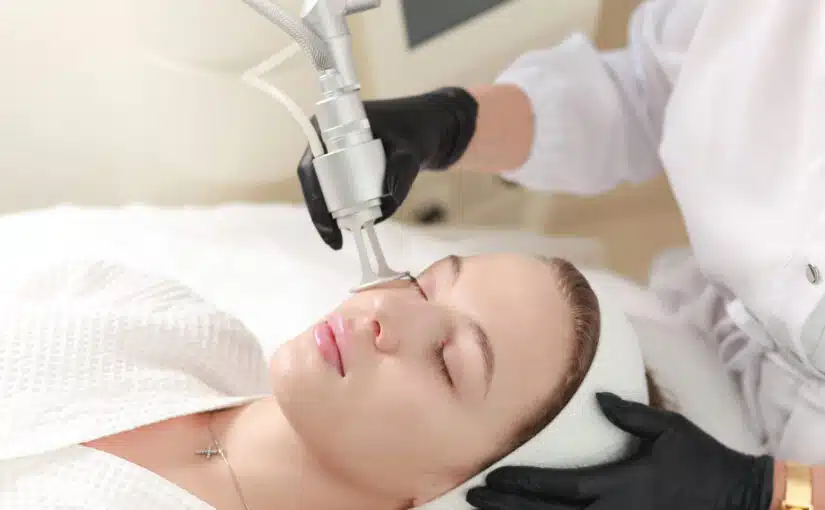
Laser Resurfacing for Crepey Skin, Fine Lines, and Rough Texture

Crepey wrinkles and uneven texture appear as the skin ages and can gradually make your complexion look less smooth and refreshed, even with a consistent skincare routine. Laser skin resurfacing helps address these changes by removing damaged skin and stimulating collagen regeneration to achieve revitalized skin.

At Laser and Skin Surgery Center in Westlake, Dr. Renuka Diwan is a board-certified dermatologist and fellowship-trained dermatologic surgeon with extensive experience in cosmetic dermatology and laser procedures. Laser resurfacing is customized to your skin condition, treatment goals, and skin type, making it an effective option for patients seeking noticeable improvement.

How Laser Resurfacing Improves Skin Texture

Laser treatments deliver controlled energy into targeted layers of the skin and remove damaged skin cells and stimulate collagen production.

As the skin heals and new collagen develops, the treatment improves:

  • Fine crepey wrinkles
  • Rough or uneven texture
  • Sun-related skin damage, including uneven pigmentation
  • Certain superficial scars

These benefits of laser resurfacing develop differently for each patient depending on the treatment intensity and individual healing response.

Can Laser Treatment Help Crepey Skin?

Crepey skin develops because collagen and elastin decline with age, sun exposure. and exposure to other hazards like cigarette smoke and environmental pollutants. This can leave the skin looking thin, finely wrinkled, or less resilient.

Laser skin resurfacing stimulates collagen generation and remodeling and improves the skin’s surface appearance and quality. Treatment is commonly considered for areas of the face where textural changes and fine lines have become more noticeable.

Where Can Laser Resurfacing Be Used?

Depending on the laser technology and individual skin concerns, treatment may also be considered for areas such as the neck, chest, or other regions with visible signs of photoaging.

The appropriate treatment area and intensity depend on skin thickness, pigmentation, and the type of changes being addressed.

What Determines the Right Laser Treatment?

Laser resurfacing is not a single standardized procedure. Different technologies and treatment depths can create varying levels of correction and affect downtime.

Choosing an approach that is both effective and safe requires a deep knowledge and understanding of laser technology and skin structure, skin type, and skin healing. A professional assessment is especially important because more aggressive treatment is not automatically better.

Refresh Skin Texture With Laser Resurfacing in Westlake, OH

Crepey texture and fine lines do not always respond adequately to topical products. Laser skin resurfacing can address changes within the skin while encouraging smoother, more even-looking skin surface as healing progresses.

Laser and Skin Surgery Center provides individualized laser treatment planning for patients in Westlake, OH, and surrounding Cleveland communities. Call 440-871-9832 to schedule a consultation and learn which resurfacing approach may be appropriate for your skin.
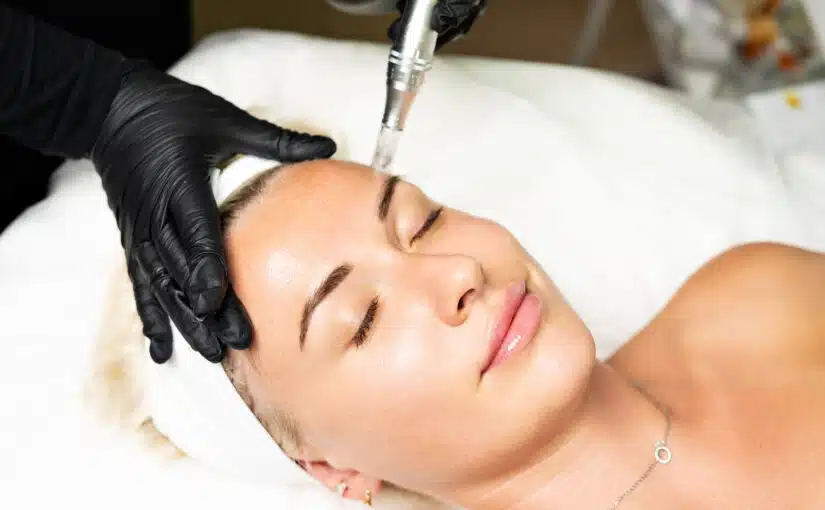
When Is Microneedling a Better Choice Than Laser Resurfacing?

Microneedling and laser resurfacing can both improve skin texture, fine lines, and certain types of scarring, but they work in very different ways. Choosing between them depends on the concern being treated, the amount of downtime that fits your schedule, and how aggressively the skin needs to be resurfaced.

At Laser and Skin Surgery Center in Westlake, OH, board-certified dermatologist and fellowship-trained dermatologic surgeon Dr. Renuka Diwan evaluates skin quality, treatment goals, and medical history before recommending a procedure. For some patients, microneedling offers an effective way to stimulate skin renewal without the intensity associated with certain laser resurfacing treatments.

When Microneedling May Be the Better Fit

Microneedling creates controlled micro-injuries in the skin, encouraging the body to produce more collagen and elastin. Because the treatment does not rely on laser energy, it can be a useful option for patients seeking gradual improvement with relatively limited downtime.

Microneedling may be considered for concerns such as:

  • Mild acne or surgical scars
  • Enlarged pores
  • Uneven or rough skin texture
  • Fine lines
  • Early changes in skin firmness

It can also appeal to patients who prefer a treatment plan built around a series of less intensive sessions rather than a more aggressive resurfacing procedure.

How Laser Resurfacing Differs

Laser resurfacing uses focused energy to target specific skin layers. Depending on the laser and treatment settings, it may address more significant sun damage, deeper wrinkles, pigmentation changes, scars, or pronounced texture concerns.

Some laser treatments provide stronger resurfacing in fewer sessions, but that may come with more redness, peeling, swelling, or recovery time. The appropriate level of treatment depends on the skin concern and the type of laser being used.

Skin Tone Can Affect the Treatment Choice

Skin pigmentation is another important consideration. Certain lasers require careful selection and settings in patients with darker skin tones because heat can sometimes trigger unwanted pigment changes.

Microneedling does not use heat-based energy, which can make it appropriate for a broader range of skin tones in certain situations. A skin evaluation is still important because treatment recommendations should account for pigmentation, scarring tendencies, active skin conditions, and previous procedures.

Choosing Between Microneedling and Laser Resurfacing

Neither treatment is automatically better than the other. Microneedling may make more sense for mild texture concerns, gradual collagen stimulation, or patients who want less downtime. Laser resurfacing may be recommended when deeper or more advanced skin changes require more intensive correction.

Explore Microneedling Options in Westlake, OH

The right resurfacing treatment should match your skin condition and the results you hope to achieve. Laser and Skin Surgery Center provides individualized evaluations for microneedling and laser resurfacing in Westlake. 

Call 440-871-9832 to schedule a consultation and discuss the approach that best fits your skin goals.

Laser Resurfacing for Aging Skin: What It Can and Can’t Improve

40-something-year-old woman touches her skin, happy with her complexion. Laser resurfacing remains one of the most effective ways to address visible signs of aging and restore healthier, more radiant and even skin. At The Laser & Skin Surgery Center in Westlake, OH, Dr. Renuka Diwan, MD, FAAD, a Board-Certified Dermatologist and fellowship-trained dermatologic surgeon, performs laser resurfacing with a focus on safety, precision, and natural-looking results. Laser technology offers more control and finesse than other technologies used for skin resurfacing can make a noticeable difference. Understanding what this treatment can (and cannot) improve helps set realistic expectations.

What Laser Resurfacing Can Improve

Fine Lines and Early Wrinkles

Laser resurfacing is highly effective for softening crepey lines around the eyes and mouth, and other parts of the face. By stimulating new collagen, the treatment helps the skin appear smoother and more refreshed.

Sun Damage and Uneven Pigmentation

Visible signs of sun damage including sunspots and uneven tone, often improve extremely well with laser resurfacing. The laser targets damaged skin cells, allowing healthier, more even skin to emerge.

Texture Irregularities and Rough Skin

As a result of genetic predisposition or aging, the skin may develop benign (non-cancerous ) growths or pre-cancers that can be treated by CO2 laser resurfacing. Laser resurfacing shrinks or eliminates growths and removes damaged outer layers, revealing healthier, more even, softer, brighter skin underneath. Patients often notice an improvement in radiance  (glow) in the weeks following treatment.

Enlarged Pores

Increased pore size is common with age, as collagen support around the pores diminishes. By stimulating colllagen formation, conservative laser resufacing can help mimize the appearance of enlarged pores, making this an added bonus.

Superficial Acne Scarring

Shallow scars often resolve or look smoother after treatment. While deeper scars may require a combination approach, laser resurfacing is a strong option for improving mild to moderate textural scarring.

What Laser Resurfacing Cannot Improve

Significant Skin Laxity

Although the treatment boosts collagen and elastin production,  and provides some skin tightening, sit cannot replace the results of procedures like facelifts that reposition skin. Patients with significant skin laxity or jowling may benefit from surgical options instead or in addition.

Deep Wrinkles and Folds

Deep nasolabial folds that form as result of sagging and loss of supporting tisssue under the skin are best addressed by fillers or lifting surgery by itself or combined with fillers. Laser resurfacing does not correct them as effectively. 

Broken Blood Vessels or Deep Pigmentation Issues

There may be some improvement of small capillaries and superficial pigmentation but are better addressed with other more specifically targeted lasers.  During a consultation, Dr. Diwan evaluates whether laser resurfacing alone or another treatment like IPL or Pico laser or laser treatment of blood vesseis is most appropriate.

Expertise You Can Trust

With extensive training in dermatologic surgery and decades of experience, Dr. Diwan xsafely performs every laser resurfacing treatment in our ofice with local anesthetic (with oral medication for comfort, when needed) and customizes every resurfacing treatment to match your unique skin. Her careful approach ensures natural results that enhance your skin’s health and appearance.

To learn whether laser resurfacing is right for you, schedule a consultation with Dr. Renuka Diwan in Westlake, OH, by calling (440) 871-9832 or contacting our office online.