
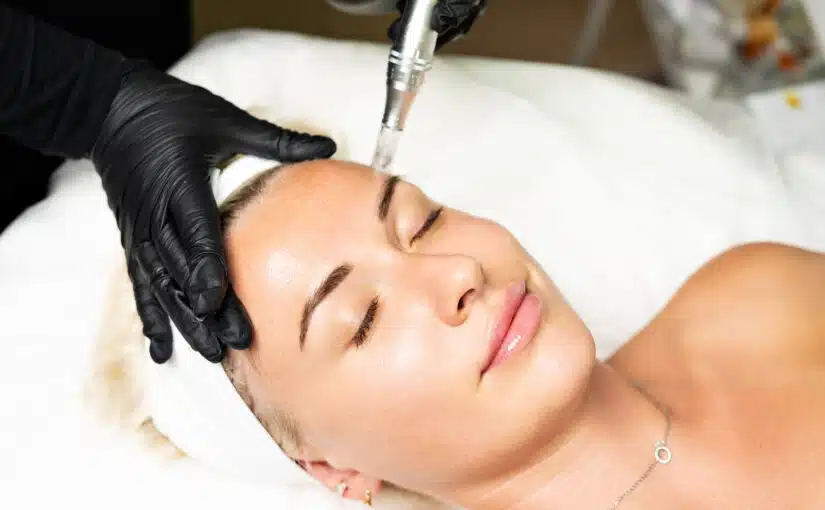
Microneedling and laser resurfacing can both improve skin texture, fine lines, and certain types of scarring, but they work in very different ways. Choosing between them depends on the concern being treated, the amount of downtime that fits your schedule, and how aggressively the skin needs to be resurfaced.
At Laser and Skin Surgery Center in Westlake, OH, board-certified dermatologist and fellowship-trained dermatologic surgeon Dr. Renuka Diwan evaluates skin quality, treatment goals, and medical history before recommending a procedure. For some patients, microneedling offers an effective way to stimulate skin renewal without the intensity associated with certain laser resurfacing treatments.
When Microneedling May Be the Better Fit
Microneedling creates controlled micro-injuries in the skin, encouraging the body to produce more collagen and elastin. Because the treatment does not rely on laser energy, it can be a useful option for patients seeking gradual improvement with relatively limited downtime.
Microneedling may be considered for concerns such as:
- Mild acne or surgical scars
- Enlarged pores
- Uneven or rough skin texture
- Fine lines
- Early changes in skin firmness
It can also appeal to patients who prefer a treatment plan built around a series of less intensive sessions rather than a more aggressive resurfacing procedure.
How Laser Resurfacing Differs
Laser resurfacing uses focused energy to target specific skin layers. Depending on the laser and treatment settings, it may address more significant sun damage, deeper wrinkles, pigmentation changes, scars, or pronounced texture concerns.
Some laser treatments provide stronger resurfacing in fewer sessions, but that may come with more redness, peeling, swelling, or recovery time. The appropriate level of treatment depends on the skin concern and the type of laser being used.
Skin Tone Can Affect the Treatment Choice
Skin pigmentation is another important consideration. Certain lasers require careful selection and settings in patients with darker skin tones because heat can sometimes trigger unwanted pigment changes.
Microneedling does not use heat-based energy, which can make it appropriate for a broader range of skin tones in certain situations. A skin evaluation is still important because treatment recommendations should account for pigmentation, scarring tendencies, active skin conditions, and previous procedures.
Choosing Between Microneedling and Laser Resurfacing
Neither treatment is automatically better than the other. Microneedling may make more sense for mild texture concerns, gradual collagen stimulation, or patients who want less downtime. Laser resurfacing may be recommended when deeper or more advanced skin changes require more intensive correction.
Explore Microneedling Options in Westlake, OH
The right resurfacing treatment should match your skin condition and the results you hope to achieve. Laser and Skin Surgery Center provides individualized evaluations for microneedling and laser resurfacing in Westlake.
Call 440-871-9832 to schedule a consultation and discuss the approach that best fits your skin goals.