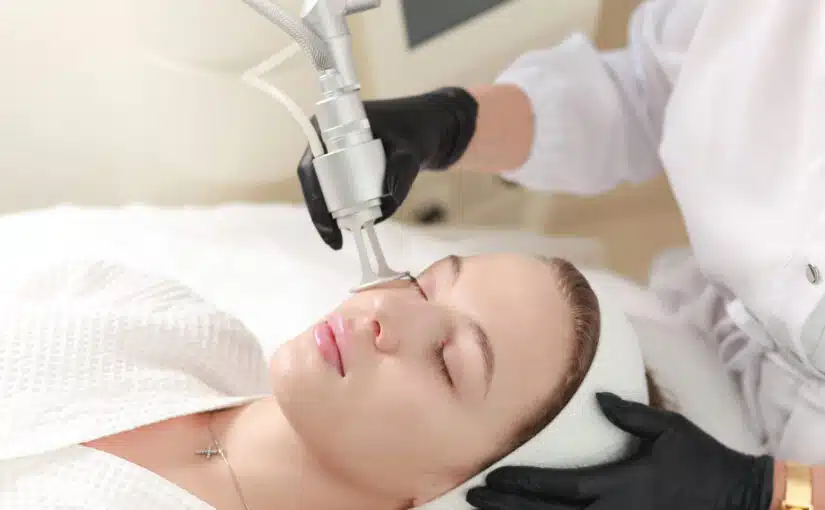
Crepey wrinkles and uneven texture appear as the skin ages and can gradually make your complexion look less smooth and refreshed, even with a consistent skincare routine. Laser skin resurfacing helps address these changes by removing damaged skin and stimulating collagen regeneration to achieve revitalized skin.
At Laser and Skin Surgery Center in Westlake, Dr. Renuka Diwan is a board-certified dermatologist and fellowship-trained dermatologic surgeon with extensive experience in cosmetic dermatology and laser procedures. Laser resurfacing is customized to your skin condition, treatment goals, and skin type, making it an effective option for patients seeking noticeable improvement.
How Laser Resurfacing Improves Skin Texture
Laser treatments deliver controlled energy into targeted layers of the skin and remove damaged skin cells and stimulate collagen production.
As the skin heals and new collagen develops, the treatment improves:
- Fine crepey wrinkles
- Rough or uneven texture
- Sun-related skin damage, including uneven pigmentation
- Certain superficial scars
These benefits of laser resurfacing develop differently for each patient depending on the treatment intensity and individual healing response.
Can Laser Treatment Help Crepey Skin?
Crepey skin develops because collagen and elastin decline with age, sun exposure. and exposure to other hazards like cigarette smoke and environmental pollutants. This can leave the skin looking thin, finely wrinkled, or less resilient.
Laser skin resurfacing stimulates collagen generation and remodeling and improves the skin’s surface appearance and quality. Treatment is commonly considered for areas of the face where textural changes and fine lines have become more noticeable.
Where Can Laser Resurfacing Be Used?
Depending on the laser technology and individual skin concerns, treatment may also be considered for areas such as the neck, chest, or other regions with visible signs of photoaging.
The appropriate treatment area and intensity depend on skin thickness, pigmentation, and the type of changes being addressed.
What Determines the Right Laser Treatment?
Laser resurfacing is not a single standardized procedure. Different technologies and treatment depths can create varying levels of correction and affect downtime.
Choosing an approach that is both effective and safe requires a deep knowledge and understanding of laser technology and skin structure, skin type, and skin healing. A professional assessment is especially important because more aggressive treatment is not automatically better.
Refresh Skin Texture With Laser Resurfacing in Westlake, OH
Crepey texture and fine lines do not always respond adequately to topical products. Laser skin resurfacing can address changes within the skin while encouraging smoother, more even-looking skin surface as healing progresses.
Laser and Skin Surgery Center provides individualized laser treatment planning for patients in Westlake, OH, and surrounding Cleveland communities. Call 440-871-9832 to schedule a consultation and learn which resurfacing approach may be appropriate for your skin.